Anton Arensky (1861–1906)
Variations on a Theme by Tchaikovsky, Op. 35a (1894)
It was once a convenient music-appreciation bromide that Imperial Russia’s leading musical centers, St. Petersburg and Moscow, were polar opposites. It was said that the Petersburg folks (Rimsky-Korsakov, Balakirev, Mussorgsky, et al.) were nationalists who promoted a resolutely nativist Russian music, whereas the Muscovites (Rubinstein, Tchaikovsky) were cosmopolites who gladly absorbed European influences.
It was all so neat, so tidy. And so misleading. In practice things were a lot fuzzier. Consider Anton Arensky, who was trained in St. Petersburg under Rimsky-Korsakov. Upon his 1882 graduation he became a professor at the Moscow Conservatory and an ardent Tchaikovsky follower. In 1895 he returned to St. Petersburg, where he died eleven years later. Despite being a thoroughly eclectic composer who had spent the bulk of his life in St. Petersburg, he was routinely grouped with the Moscow contingent. That Tchaikovsky connection said it all.
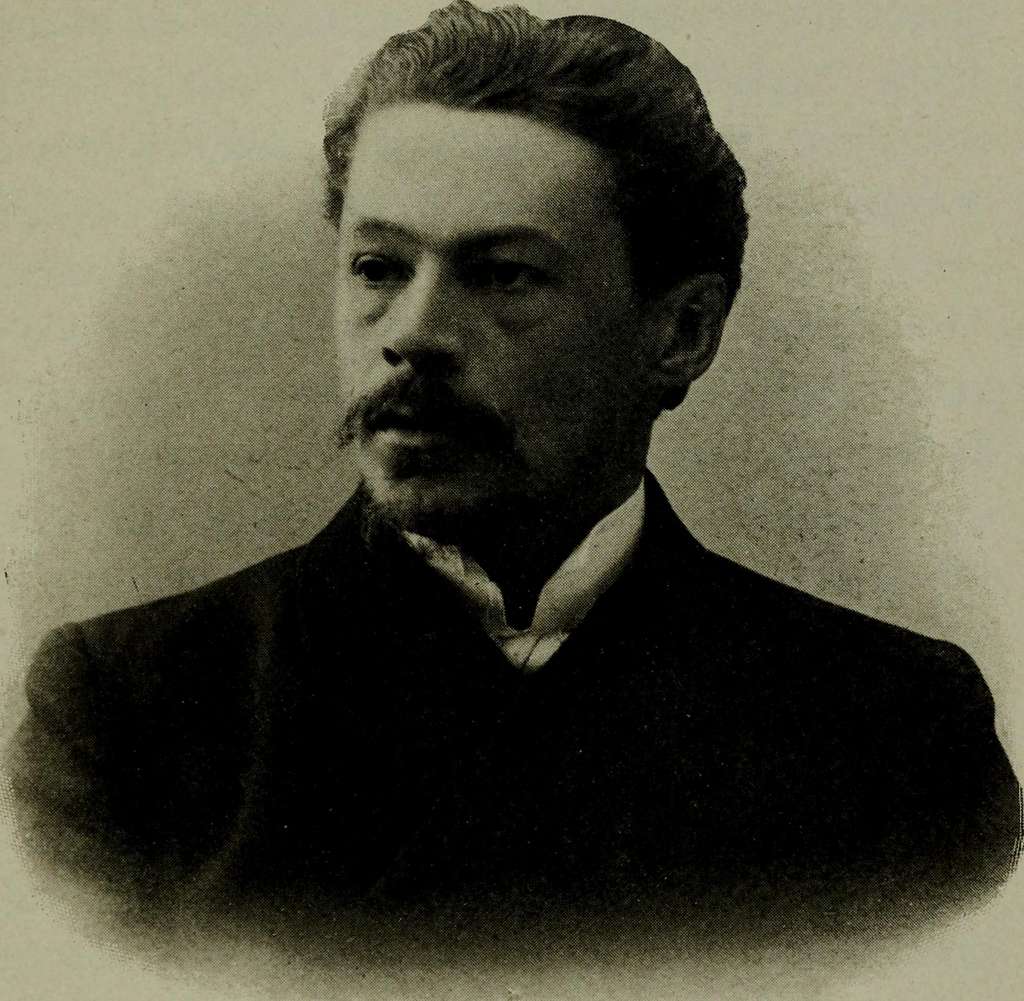
Arensky’s Tchaikovskian bona fides were never more on display than with the slow movement of his 1894 String Quartet No. 2 Op. 35, which pays homage to the recently-deceased master via a set of variations on Tchaikovsky’s song “Legend” from the Children’s Songs, Op. 54. The variations were so well-received that Arensky arranged them for string orchestra, in which guise they have achieved full repertory status. That’s with good reason: they are masterfully constructed, immaculately orchestrated, and superbly well-paced.
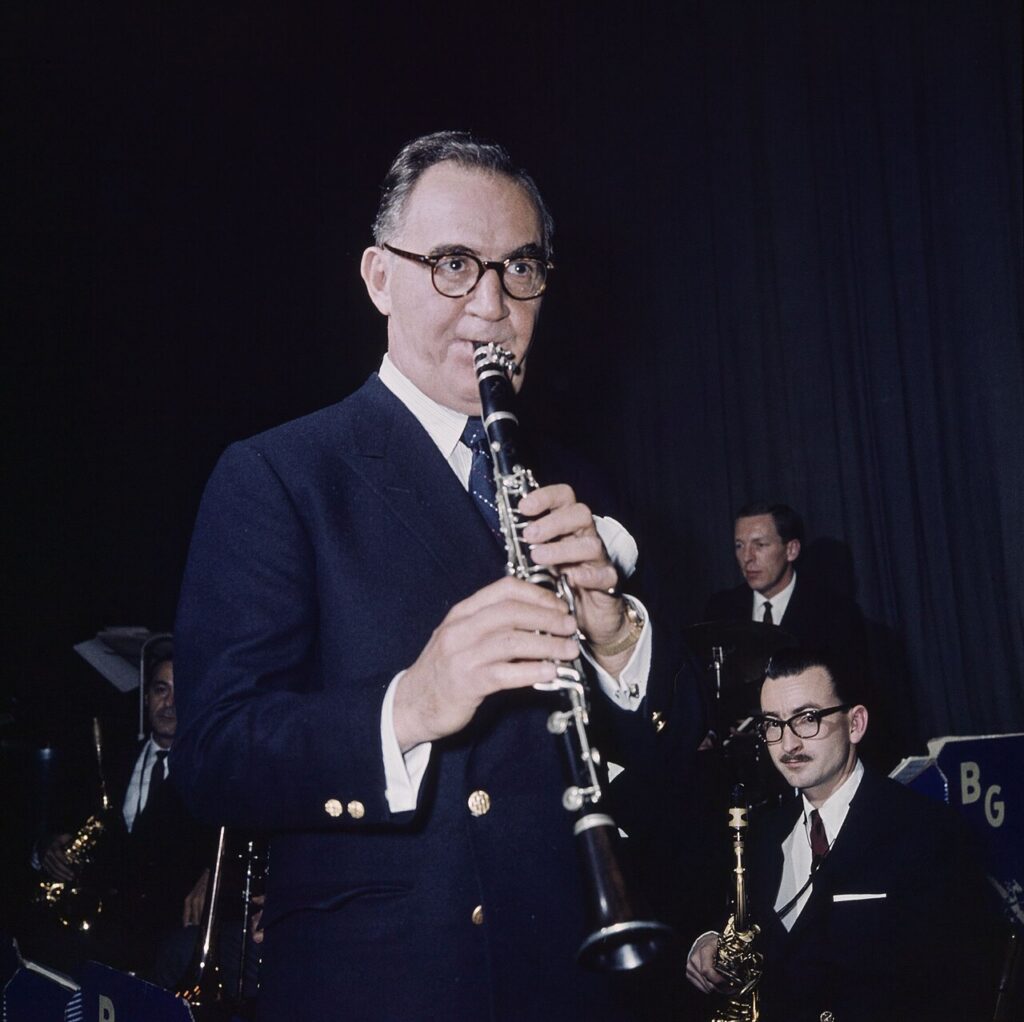
Aaron Copland (1900–1990)
Clarinet Concerto (1948)
Aaron Copland’s musical style is so often associated with the great American outdoors that it’s easy to forget that he was no kind of a country boy, nor is the bulk of his music even remotely folksy. Raised in New York City by his Eastern European immigrant parents, he decamped to France for his musical education. It was there that he acquired his elegantly lean idiom, far more indebted to Stravinsky than to any American influences. Once he returned to the United States he became an indefatigable champion of American music (including Latin America) in all its kaleidoscopic variety.
The famed swing clarinetist and bandleader Benny Goodman commissioned the Clarinet Concerto from Copland and played the premiere in a 1950 radio broadcast with Fritz Reiner conducting the NBC Symphony. Although writing for such a soloist would seem to mandate a strongly jazz-flavored work, Copland kept the jazz elements subtle. The Clarinet Concerto is no crass showpiece tossed off for the titillation of Goodman’s fan base; Copland’s orchestration is deliberately sparse—just strings, clarinet, and harp—and the mood is more regretful than populist. The concerto’s heart center is the first movement, a sustained aria filled with longing, surely one of Copland’s most intimate and revealing creations. (Its evocative placement in Ken Burns’ documentary series The War may provide some listeners with a jolt of recognition.) The lively second movement—which follows nonstop after an extended solo cadenza—is a rich stew that incorporates not only jazz idioms but also a Brazilian popular tune into its pungent mix.
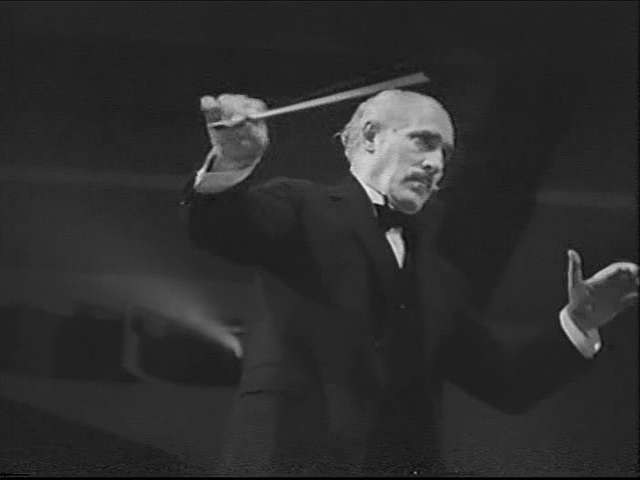
Samuel Barber (1910–1981)
Adagio for Strings (1938)
Italian conductor Arturo Toscanini wielded immense influence over American musical taste via weekly NBC Symphony broadcasts that attracted audiences numbering in the millions from the late 1930s onwards. His programming reflected his rock-solid artistic integrity. It was broad. It was substantial. And it was by and large European. Unlike his contemporary Serge Koussevitzky, Toscanini rarely played American music, much less encouraged the creation of new works.
But it was Toscanini who exhorted the young Samuel Barber to orchestrate the slow movement of his 1936 String Quartet Op. 11. His championship helped to establish an American talisman that has evolved far beyond its native venue in the concert hall. Barber’s Adagio underpinned the announcement of FDR’s death; it accompanied Albert Einstein’s funeral; it made an indelible impression in Oliver Stone’s film Platoon and David Lynch’s The Elephant Man; it has been adapted and arranged by any number of adapters and arrangers, including Barber himself via the 1967 Agnus Dei for chorus.
Samuel Barber may have been only in his twenties when he wrote the work, but the Adagio is the product of a mature master and a beloved American masterpiece that has moved, inspired, and comforted listeners for more than 80 years.
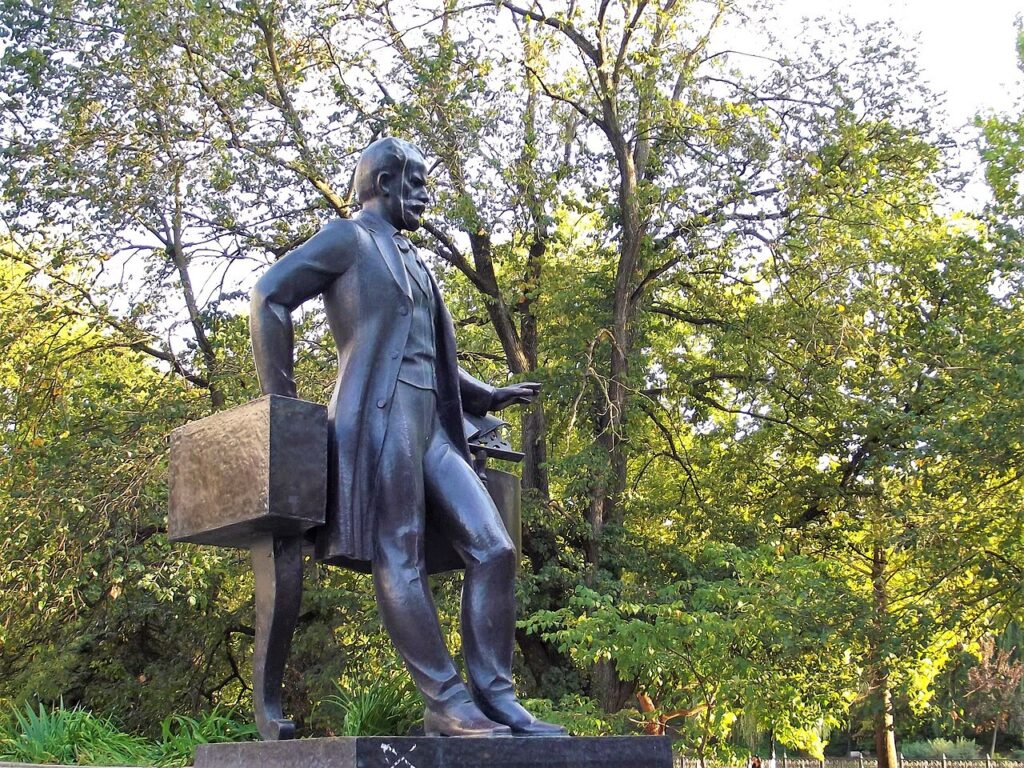
Peter Ilyich Tchaikovsky (1840–1893)
Serenade for Strings in C Major, Op. 48 (1880)
“The first movement is my homage to Mozart,” Tchaikovsky wrote. “It is intended to be an imitation of his style, and I should be delighted if I thought I had in any way approached my model.” As the exquisite Serenade for Strings began its triumphant progression through the world’s concert halls, he even went so far as to claim that the work was “not without artistic qualities.” Coming from this pickiest and most self-critical of composers, that’s high praise indeed.
The Mozart connection is clear in the title. Serenades, ever-popular in Habsburg realms, provided tony nabobs with loosely-structured entertainments in multiple movements. Mozart’s catalog includes thirteen numbered serenades, together with added divertimenti and cassations, including such perennial favorites as Eine Kleine Nachtmusik, the “Posthorn” and “Haffner” serenades, and that festival for winds, the Gran Partita.
Tchaikovsky’s Serenade stands tall even in such elevated company. Its four movements are superbly structured and magnificently orchestrated, from the opening Piece in the form of a sonatina, through that oh-so-popular waltz in second place, then a meditative Élégie that floats along in a pastel dreamscape. The frisky finale is the Serenade’s only Russian-hued movement, with its Russian folk tunes—“On the Green Meadow” to open, followed by “Under the Green Apple Tree.” To wrap things up, Tchaikovsky refers back to the serenade’s introduction, followed by a breathless galop to the finish line. (Nota bene: Bostonians got a chance to hear Tchaikovsky himself conduct the Serenade in 1891, during his American tour.)
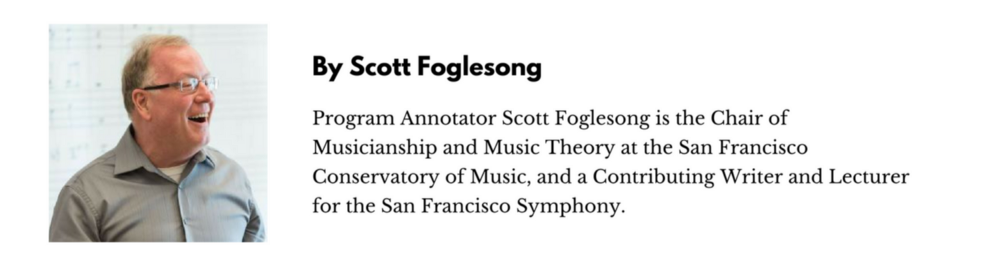
Program Annotator Scott Foglesong is the Chair of Musicianship and Music Theory at the San Francisco Conservatory of Music, and a Contributing Writer and Lecturer for the San Francisco Symphony. He also leads the California Symphony’s ground-breaking music education course for adults Fresh Look: The Symphony Exposed.
The 26-27 Season continues with FROM TCHAIKOVSKY TO COPLAND on Saturday, November 7 at 7:30 p.m. and Sunday, November 8 at 4 p.m. at the Lesher Center for the Arts in Walnut Creek. Single tickets start at $50 and at $25 for students 25 and under, and include a free 30-minute pre-concert talk starting one hour before the performance. Buy tickets online or call or visit the Lesher Center Ticket Office at 925.943.7469, Wed – Sun, 12:00 noon to 6:00 p.m.